Source Eco-Friendly Bamboo Lid Glass Water Bottle with Straw for Juice, Water, and Cocktail
Compare 30 listings for Eco-Friendly Bamboo Lid Glass Water Bottle with Straw featuring clear glass, single wall construction, and microwave-safe properties. Buyers can evaluate options with CE, EU, and LFGB certifications for beverage applications.
Key considerations
Products List


Eco-Friendly 20oz Frosted Borosilicate Glass Water Bottle with Bamboo Lid
$0.50 - $1.25
MOQ: 1000 Pieces

Eco-Friendly Borosilicate Glass Water Bottle with Sustainable Bamboo Lid
$0.50 - $1.25
MOQ: 1000 Pieces


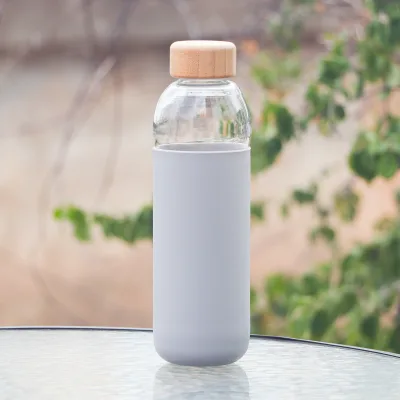


50oz Glass Tumbler with Bamboo Lid and Straw Glass Water Bottles with Handle
$2.00 - $10.00
MOQ: 200 Pieces

Eco Friendly Custom Clear 610ml High Borosilicate Glass Water Bottle with Straw
$3.00 - $12.00
MOQ: 200 Pieces


450ml 500ml High Borosilicate Glass Water Bottle with Straw and Bamboo Lids
$2.00 - $3.50
MOQ: 3000 Pieces


Comprehensive Sourcing Guide
Eco-Friendly Bamboo Lid Glass Water Bottle with Straw Sourcing Guide
Sourcing glass water bottles with bamboo lids and integrated straws requires a careful balance between aesthetic appeal and functional durability. Buyers must recognize that while the visual combination of natural bamboo and clear glass is highly marketable, the material properties of each component dictate distinct handling and verification protocols. The glass body provides chemical inertness and thermal clarity, ensuring that beverages remain uncontaminated and visually appealing, while the bamboo lid offers a sustainable, tactile alternative to plastic or metal closures. However, the integration of these materials introduces potential failure points, particularly at the interface where the organic lid meets the rigid glass neck. Procurement teams must prioritize suppliers who demonstrate rigorous quality control at this junction to prevent leaks or structural weakness during transit and daily use.
The presence of a straw adds another layer of complexity to the sourcing process, transforming a simple container into a multi-component system. Buyers need to evaluate whether the straw is made from glass, stainless steel, or silicone, as each material carries different implications for cleaning, durability, and food safety. Glass straws offer a premium feel but increase the risk of breakage, while metal or silicone options provide resilience but may require specific cleaning tools. Furthermore, the sealing mechanism of the lid must be compatible with the straw’s diameter and the bottle’s mouth width. Sourcing guides should emphasize the importance of verifying the complete assembly’s integrity, including the gasket or seal that ensures the bamboo lid remains airtight when closed, thereby preserving the temperature and freshness of the contents.
Product Scope and Observed Listing Signals
The current market landscape for these products reveals a diverse range of specifications, with observed price points ranging from $0.10 to $12.00 USD and minimum order quantities (MOQs) varying significantly from 10 to 20,000 units. This wide variance indicates that buyers can find options suitable for both small-scale boutique launches and large-scale corporate gifting campaigns. Products listed in the lower price tiers often feature simpler designs, such as single-wall glass construction with basic bamboo lids, while higher-priced items may include double-wall insulation, custom branding options, or premium packaging. Buyers should correlate price with the complexity of the design and the volume of the order, keeping in mind that customizations like logo printing or unique color variations typically incur additional costs and higher MOQs.
Observed product attributes highlight a strong emphasis on customization and aesthetic variety. Many suppliers offer customization services, allowing buyers to add logos or specific branding elements, which is crucial for corporate clients and private label brands. The available color options for the glass or accompanying accessories often include blue, green, pink, amber, yellow, and black, providing flexibility in marketing strategies. Additionally, the shape of the bottles is frequently described as irregular or round, with standard sizes such as 9cm x 12cm being common. Buyers should note that while "eco-friendly" is a common descriptor, the actual environmental impact depends on the sourcing of the bamboo and the manufacturing processes used, so verifying the origin and treatment of the bamboo is essential for accurate sustainability claims.
Technical Specifications to Verify
When evaluating technical specifications, buyers must prioritize the dimensional accuracy and material thickness of the glass. Standard thicknesses observed in the market include 8mm, 10mm, and 12mm, with tighter tolerances such as ±1mm being a key indicator of high-quality manufacturing. Thicker glass generally offers better durability and thermal resistance, reducing the risk of cracking during temperature changes or accidental drops. Buyers should request detailed technical drawings or samples to verify these dimensions, especially if the bottles are intended for use with specific lids or carrying cases. The weight of the product is also a critical factor, with typical weights around 0.38kg for standard models, which impacts shipping costs and the overall user experience.
The sealing and structural integrity of the bamboo lid and straw assembly require close scrutiny. Buyers should verify the sealing type, with screw caps being a common and reliable option for preventing leaks. The bottleneck design, often described as wide-mouthed, facilitates easy cleaning and the insertion of ice or fruit, but it must be precisely machined to ensure a tight fit with the bamboo lid. Additionally, the surface handling of the glass, such as screen printing for logos, should be checked for durability and resistance to fading or peeling. Buyers should also confirm the packaging specifications, which often include polybags, white boxes, or color boxes, to ensure that the products are protected during shipping and arrive in pristine condition for retail or corporate distribution.
Compliance and Safety Documentation
Compliance with food safety standards is non-negotiable for glass water bottles, particularly those with components that come into direct contact with beverages. Buyers must ensure that suppliers provide relevant certifications, such as CE, EU, LFGB, and CIQ, which attest to the product’s safety and quality. LFGB certification, in particular, is a stringent German standard that is highly regarded in the European market, indicating that the materials used are free from harmful substances. Buyers should request copies of these certificates and verify their validity with the issuing bodies. Additionally, the bamboo lid should be treated with food-safe finishes, and buyers should inquire about the specific treatments used to prevent mold or bacterial growth without compromising the natural aesthetic of the wood.
The safety of the straw and the overall usability of the product are also critical compliance areas. Buyers should verify that the straw material is food-grade and free from BPA or other harmful chemicals. If the straw is made from glass or metal, it should have smooth, rounded edges to prevent injury. Furthermore, the product should be labeled with clear care instructions, including whether it is microwave, dishwasher, oven, and freezer safe. While glass bodies are generally safe for these applications, the bamboo lid may have specific limitations, such as not being suitable for dishwasher use to prevent warping or cracking. Buyers should ensure that all safety warnings and usage guidelines are clearly communicated to end-users to prevent misuse and potential liability issues.
Cost Drivers and Commercial Terms
Several factors influence the final cost of eco-friendly bamboo lid glass water bottles, with customization being a primary driver. Buyers seeking custom logos, unique shapes, or specific packaging solutions should anticipate higher unit costs and increased MOQs. The complexity of the design, such as irregular shapes or multi-component assemblies with integrated straws, also adds to the manufacturing cost. Additionally, the choice of glass thickness and the quality of the bamboo lid can significantly impact the price. Thicker glass and premium, sustainably sourced bamboo will result in higher costs but offer better durability and brand perception. Buyers should negotiate based on volume, seeking discounts for larger orders while balancing the need for customization with cost efficiency.
Commercial terms, including shipping and payment conditions, play a crucial role in the total cost of ownership. The shipping port, often Shanghai, Guangzhou, or Yiwu, can affect logistics costs and lead times. Buyers should consider the total landed cost, including freight, insurance, and customs duties, when evaluating supplier quotes. Payment terms typically range from 30% deposit to 70% before shipment, but buyers with strong credit histories may negotiate more favorable terms. It is also important to clarify the packaging specifications, as bulk packaging in paper cartons may be more cost-effective for large orders, while individual packaging in polybags or boxes is necessary for retail-ready products. Buyers should ensure that all commercial terms are clearly documented in the contract to avoid disputes and ensure smooth transaction processing.
Supplier Qualification and Quality Control
Supplier qualification is a critical step in ensuring the reliability and quality of eco-friendly bamboo lid glass water bottles. Buyers should conduct thorough due diligence on potential suppliers, verifying their manufacturing capabilities, quality control processes, and ethical sourcing practices. Suppliers who specialize in handmade or mouth-blown glass products may offer higher quality but at a higher cost and longer lead times. Buyers should request samples to assess the craftsmanship, focusing on the smoothness of the glass edges, the fit of the bamboo lid, and the durability of the straw. Additionally, suppliers should have a robust quality control system in place, including inspections for dimensional accuracy, sealing integrity, and surface defects.
Quality control should extend to the packaging and shipping processes to ensure that products arrive in perfect condition. Buyers should verify that suppliers use appropriate packaging materials, such as foam boxes or sturdy paper cartons, to protect the glass from breakage during transit. The gross weight of a single item, typically around 0.2kg to 0.38kg, should be accurately declared to avoid shipping discrepancies. Buyers should also establish clear acceptance criteria for defects, such as cracks, chips, or misaligned lids, and negotiate return or replacement policies for non-conforming products. Regular audits and ongoing communication with suppliers can help maintain high quality standards and build a long-term partnership based on trust and mutual benefit.
Long-Term Procurement Checks
Long-term procurement success depends on continuous monitoring of supplier performance and market trends. Buyers should regularly review supplier metrics, including on-time delivery rates, product quality consistency, and responsiveness to issues. Establishing a scorecard system can help track these metrics and identify areas for improvement. Additionally, buyers should stay informed about changes in material costs, regulatory requirements, and consumer preferences. For example, increasing demand for sustainable materials may drive up the cost of bamboo, while new safety regulations may require additional testing or certification. Buyers should proactively engage with suppliers to discuss these changes and adapt their sourcing strategies accordingly.
Sustainability and ethical sourcing are increasingly important factors in long-term procurement decisions. Buyers should verify that their suppliers adhere to ethical labor practices and sustainable sourcing guidelines for bamboo and other materials. This may involve requesting documentation on the origin of the bamboo and the manufacturing processes used. Buyers should also consider the end-of-life disposal of the products, ensuring that they are recyclable or biodegradable where possible. By prioritizing sustainability and ethical practices, buyers can enhance their brand reputation and meet the growing demand for responsible products. Regular reviews of these aspects can help ensure that the procurement strategy remains aligned with corporate social responsibility goals and market expectations.
FAQs
Can these glass bottles be used in microwaves and dishwashers?
Yes, the glass bottles are safe for microwave, dishwasher, oven, and freezer use. This durability allows for versatile daily applications while maintaining product integrity under high temperatures and repeated washing cycles.
What certifications do the glass products hold?
The products hold CE, EU, LFGB, and CIQ certifications. These standards ensure the glass meets international safety and quality requirements for food contact and general consumer use across various global markets.
How is the glass bottle customized for branding?
Customization is available with acceptable logo printing options. Buyers can request specific branding details, and the manufacturer supports screen printing on the surface to create unique, branded glassware for corporate or retail purposes.
What are the available color options for the glass?
The glass is available in Blue, Green, Pink, Amber, Yellow, and Black. These color choices allow buyers to select specific aesthetics that match their brand identity or target consumer preferences effectively.
What is the minimum order quantity for these items?
The minimum order quantity ranges from 10 to 20,000 units depending on the specific product model. Buyers should verify the exact MOQ for their selected model, as some items require a minimum of 500 units.
Where are these glass products manufactured?
These glass products originate from China. The manufacturing facilities are located in major shipping hubs like Shanghai, Guangzhou, and Yiwu, facilitating efficient logistics and export processes for international buyers.
What packaging methods are used for the glass bottles?
Packaging includes Paper Cartons, Polybags with White or Color Boxes, and Foam Boxes. The specific packaging method depends on the product model, ensuring safe transport and presentation for various market requirements.